Industry News
Leveraging National Engine Remanufacturing Qualifications to Ensure Quality for a China Howo Tipper Truck Supplier
The global market for pre-owned commercial vehicles often faces challenges regarding transparency and mechanical reliability. Many international buyers worry about the actual condition of a used vehicle, especially when procurement happens across borders. To address these concerns, leading industrial players are adopting standardized, high-level restoration processes. Securing a position as a premier China Howo Tipper Truck Supplier requires more than just a large inventory. It demands official recognition from national regulatory bodies, such as the Ministry of Industry and Information Technology (MIIT). These qualifications signify that a supplier possesses the technical infrastructure to restore heavy-duty machinery to near-original factory standards. Organizations like the Snail Truck have pioneered this approach. Since becoming a pilot export enterprise in 2019, the company has utilized its national certifications to bridge the trust gap in the international used truck trade.
The Technical Difference Between Refurbishment and National Remanufacturing
Understanding the distinction between basic refurbishment and national-level remanufacturing is essential for any equipment fleet manager. Most dealerships perform superficial repairs, focusing on aesthetic improvements like new paint or cabin cleaning. In contrast, national engine remanufacturing qualifications mandate a rigorous industrial workflow. This process begins with the complete disassembly of the engine. Technicians remove every bolt and component to clean the block and internal parts using ultrasonic or high-pressure systems. This level of cleanliness allows for precise inspections that standard maintenance routines simply cannot offer.
Once the engine is disassembled, the engineering team performs microscopic defect detection on critical components. They use specialized equipment to find cracks or fatigue in the cylinder block, crankshaft, and camshaft. If a part shows signs of wear beyond strict tolerances, the facility replaces it with a brand-new, original equipment manufacturer (OEM) part. Specifically, technicians always replace high-wear items such as pistons, piston rings, and bearing bushings to ensure longevity. After reassembly, the engine undergoes dynamic balancing and load testing on a dynamometer. This testing ensures that the power output and fuel efficiency match the original specifications of a new truck. By following these national standards, a supplier ensures that the heart of the vehicle remains reliable for years to come.
Industrial Scale as a Guarantee of Quality Consistency
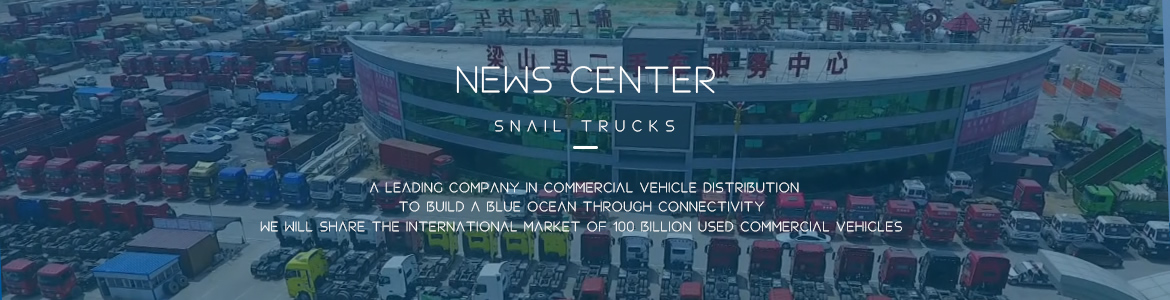
Quality control becomes significantly more effective when an organization operates at an industrial scale. Snail Truck operates from a massive base spanning over 1,000,000 square meters, which provides the necessary space for specialized workshops. Maintaining a fleet of more than 15,000 trucks allows for a systematic approach to restoration. When a company processes over 70,000 transactions annually, it gains deep insights into the most common failure points of specific models. This high transaction volume, valued at 1.5 billion USD, supports the investment in advanced diagnostic tools and large-scale parts procurement.
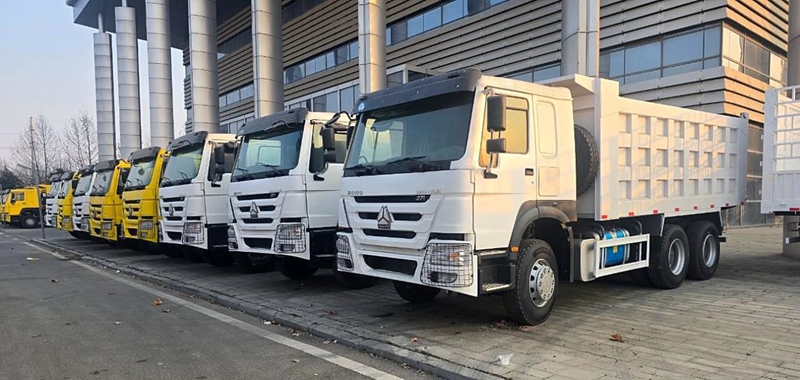
The ability to refurbish 10,000 vehicles annually allows for the creation of dedicated assembly lines for specific models. For instance, a dedicated line for the Used Howo 7 8x4 Dump Truck enables technicians to become specialists in that particular chassis and engine configuration. Consistency is the hallmark of industrial-scale remanufacturing. Every truck follows the same multi-point inspection and restoration protocol regardless of its initial condition. This scale also allows the company to mass-supply remanufactured engines to overseas markets separately. This capability provides international clients with a reliable source for replacement parts, further boosting the long-term value of their initial vehicle purchase.
Adapting to Global Standards and Harsh Environments
A tipper truck must perform in some of the most challenging environments on earth, from the humid jungles of Southeast Asia to the arid deserts of the Middle East. Suppliers who hold national repairing and export qualifications must ensure their vehicles meet diverse international requirements. Strict adherence to China's export standards serves as the first line of defense for quality. These regulations cover everything from brake system performance to emission levels and structural integrity. For a contractor in Saudi Arabia or Tanzania, these certifications provide the peace of mind that the truck can handle local workloads immediately upon delivery.
The export of vehicles to more than 90 countries along the "Belt and Road" has allowed suppliers to refine their remanufacturing techniques. Engineers analyze feedback from various regions to adapt vehicles to local climates. For example, trucks destined for high-temperature regions often receive upgraded cooling systems and heat-resistant seals. Vehicles headed for mining operations in South America or Africa might feature reinforced suspension components and heavy-duty U-shaped buckets. This regional adaptation, combined with a robust partnership network of manufacturers and logistics providers, ensures a smooth delivery loop. This comprehensive service model transforms a used vehicle into a dependable strategic asset for any infrastructure project.
Economic Efficiency and the Strategic Value of ROI
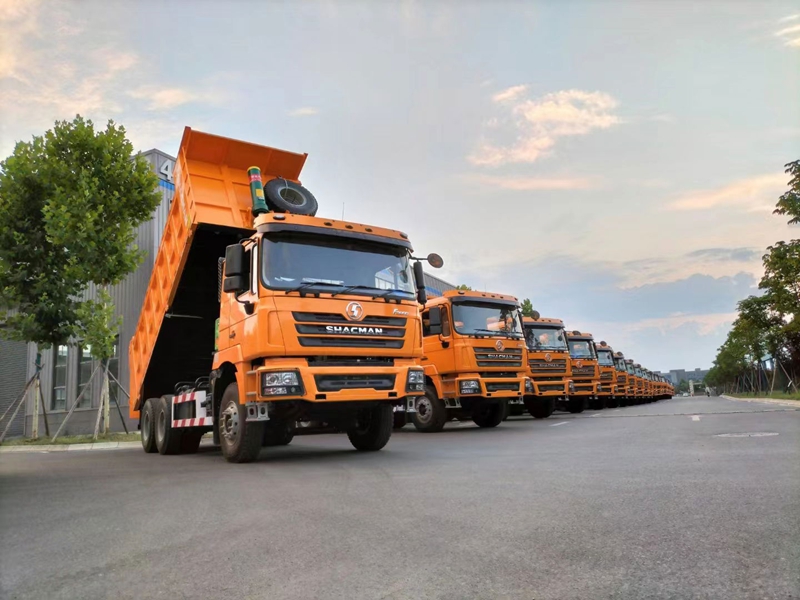
The primary driver for purchasing a used tipper truck is the optimization of capital expenditure. However, the true value lies in the balance between price and performance. Professional remanufacturing delivers "new truck quality at a used truck price," which significantly accelerates the return on investment (ROI) for construction firms. A company can often purchase two or three remanufactured Howo 6x4 or 8x4 trucks for the price of a single new unit. This increased fleet size allows a contractor to take on larger projects and meet tighter deadlines without taking on excessive debt.
Moreover, the national qualifications of the supplier act as a form of insurance against the high costs of downtime. When a truck is restored using certified remanufacturing processes, the likelihood of catastrophic mechanical failure decreases dramatically. Suppliers who offer transparent vehicle histories and documented restoration logs enable buyers to make data-driven decisions. In the competitive 2026 market, this level of professionalism distinguishes a strategic partner from a mere vendor. The focus on quality through national certification ultimately supports the sustainable growth of infrastructure and mining industries worldwide.
Conclusion: Setting the Standard for the Future
In the evolving landscape of global trade, technical qualifications have become the new currency of trust. The days of risky used truck purchases are fading as industrial-scale remanufacturing becomes the global standard. By leveraging national certifications from the MIIT and adhering to strict export protocols, professional suppliers ensure that high-performance machinery is accessible to all. The combination of massive inventory, specialized engineering, and a commitment to transparency provides a clear path for international buyers.
Contractors who prioritize quality and reliability will continue to seek out suppliers with proven national backing. Snail Truck has demonstrated that industrial scale and technical precision can coexist to serve the global market effectively. As the demand for infrastructure development remains high across Africa, Asia, and South America, the role of certified remanufactured vehicles will only grow. These trucks are not just machines; they are the engines of economic development, providing a reliable and affordable foundation for the world's most ambitious projects.
For further information regarding certified remanufactured vehicles and technical specifications, visit the official website: https://www.snail-truck.com/.
Categories
Latest News
Contact Us
Contact: Snailtruck
Email: snailtruck@snailtruck.com
Phone/Whatsapp: +86 18705477225
Add: NO.168 Quanpu Town, Liangshan County, Jining City, Shandong Province, China
 snailtruck